

Recycling is the process of making used or unwanted products into new, remanufactured products. The process varies depending on what is being recycled.

Paper
Paper is taken to a recycling plant where it is separated into types and grades, then washed with soapy water to remove inks, plastic film, staples, and glue. The mixture is combined with water to create a slurry. Adding different materials to the slurry produces cardboard, newsprint, or office paper.

Plastics
Plastic is sorted by type and color, filtered to remove contaminants, then chopped and melted into pellets or made into fibers. Recycled plastic can become fleece fabrics, durable construction materials, molded furniture, or insulation.
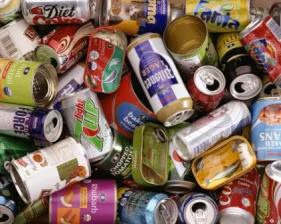
Metals
Metal products like aluminum cans are chopped up, heated to remove paint coatings, then melted and mixed. After filtering and treatment, the molten metal is poured into ingots, rolled into flat sheets, and made into new metal products. Aluminum is almost infinitely recyclable.

Glass
Glass is collected, sorted by color, and washed. It is then crushed and mixed with sand, soda ash, and limestone, melted, and molded into new products like bottles and jars.
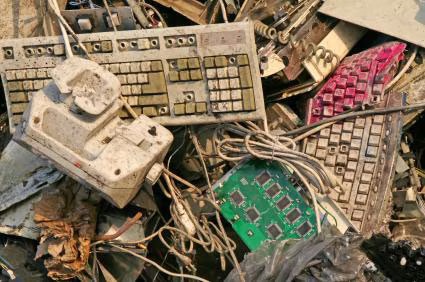
E-Waste
Electronic waste (phones, laptops, batteries) is dismantled into parts by hand or by automated shredding equipment. Recovered components go to specialized facilities. Leaded glass from CRTs is reused in batteries; copper, gold, palladium, silver, and tin are sent to smelters. Hazardous gases are captured and treated.

Textiles and Clothing
Textiles are sorted by type and color, shredded into fibers, blended with other fibers, cleaned, and spun for weaving or knitting. Some textiles are compressed for mattress production or shredded for car insulation, roofing felts, and furniture padding. Polyester materials are cut, granulated, pelletized, and spun into new polyester fabric.